

Vitamin C sounds simple until you start comparing serums. One bottle may contain 10% vitamin C, another 20%, while a third uses a modified form with added hydration. For sensitive skin, that difference matters.
The goal is not simply to find the strongest formula. It is to find a form of vitamin C that fits your skin, your routine, and your ability to use it consistently.
That thinking shaped C Serenity. Instead of chasing a higher percentage, its formulation uses modified Vitamin C bonded with hyaluronic acid, alongside fruit-derived exosome technology from apple, tangerine, and papaya.
When comparing types of vitamin C for skin, it helps to look beyond the words “Vitamin C” on the front of a bottle. Different forms behave differently in a formula.
| Vitamin C form | Strength | Stability | Typical pH | Best For |
| L-ascorbic acid | High activity and well studied | Lower; sensitive to light, oxygen, heat, and moisture | Usually below 3.5 | People who tolerate acidic formulas |
| Ascorbyl glucoside | Moderate; a vitamin C derivative | Generally more stable than L-ascorbic acid | Usually closer to skin-friendly ranges | Beginners and daily-use formulas |
| Magnesium ascorbyl phosphate | Moderate; stable derivative | High stability compared with L-ascorbic acid | Usually near-neutral | Dry or sensitive-skin routines |
| Modified Vitamin C bonded with hyaluronic acid | Formulation-dependent | Depends on the finished formula | Product-specific | Routines focused on vitamin C and hydration |
These are general comparisons, not guarantees for every product. The finished formula, concentration, packaging, supporting ingredients, and pH all matter.
L-ascorbic acid remains one of the most studied forms of topical vitamin C. Research has also found that its absorption is influenced by formulation pH, with acidic formulations commonly used to improve penetration.
Derivatives such as magnesium ascorbyl phosphate were developed partly to address some of the stability challenges associated with pure ascorbic acid.
So, what is the takeaway?
There is no single vitamin C form that is automatically right for everyone. Sensitive skin often benefits from looking at the complete formulation instead of simply choosing the highest concentration.
That is also why modified vitamin C technology can be interesting. C Serenity uses modified vitamin C hyaluronic acid technology, with vitamin C bonded with hyaluronic acid. The goal is to combine vitamin C with hydration rather than making high acidity the central feature of the formula.
Vitamin C has remained popular for good reason. Topical vitamin C is valued for its antioxidant activity and its role in supporting collagen-related processes and a brighter-looking complexion. Research also supports its cosmetic use in routines focused on photoaging and uneven pigmentation.
For those building a natural anti-aging skincare routine, vitamin C can be one part of a broader approach that focuses on antioxidant support, hydration, and consistent daily care. But there is an important distinction between an ingredient having cosmetic potential and every finished serum producing the same result. The formula matters.
A vitamin C serum has to remain stable. It needs to be delivered in a suitable vehicle. And, especially for sensitive skin, it needs to feel comfortable enough to use regularly. This last point is easy to overlook. A serum that looks impressive on paper does not help much if you stop using it because your skin dislikes it.
L-ascorbic acid is highly researched, but it is also unstable and generally formulated at a low pH to improve penetration. That acidity can be uncomfortable for some people.
Not everyone reacts badly to acidic vitamin C. Many people use it without a problem. Sensitive, dry, or easily reactive skin, however, may respond differently. If your goal is a vitamin C serum without irritation, look beyond the percentage on the label. A few things are worth checking:
The broader lesson is simple: formulation should be judged as a whole.
When I formulated C Serenity, I did not want to compete with products based on a bigger number. The question was different: could we create a vitamin C formula that people would actually enjoy using every day?
C Serenity uses modified Vitamin C bonded with hyaluronic acid rather than relying on a highly acidic L-ascorbic acid approach. The hyaluronic acid component also brings hydration into the same technology.
That is important because hydration can change how skin looks and feels. Well-hydrated skin often looks smoother and more comfortable, while dehydration can make skin appear dull or tight. The formula also includes fruit exosome technology. C Serenity uses exosome technology derived from apple, tangerine, and papaya.
A fruit exosome serum is built around a newer area of cosmetic ingredient research. C Serenity uses plant-derived extracellular vesicle technology sourced from organic Alpine apples, Mediterranean tangerines, and Sicilian papayas. These microscopic structures act as carriers for naturally occurring plant compounds.
Our laboratory testing reported up to a 90% increase in Collagen Type I expression in cultured human dermal fibroblasts. A separate sponsored placebo-controlled study using a cream containing the ingredient technology reported improvements in elasticity, firmness, plumping, and the appearance of crow’s feet after eight weeks of twice-daily use.
Important: this is supplier/ingredient-level testing, not a finished-product claim. These findings do not guarantee identical outcomes from C Serenity or for every person.
Good skincare information should explain where the evidence comes from rather than make every laboratory result sound like a guaranteed result from a finished serum. For readers interested in the broader topic, how fruit exosomes support skin renewal can provide more context on the ingredient technology.
The idea behind C Serenity is not to make vitamin C more aggressive. It is to combine several complementary technologies. The modified vitamin C is intended to support antioxidant defense and a brighter-looking complexion.
Hyaluronic acid brings hydration into the vitamin C technology. Fruit exosomes add a plant-based delivery and renewal component. This approach fits into the larger movement toward trending anti-aging ingredients that focus on how ingredients work together instead of treating one active as the entire answer.
C Serenity is a daily-use vitamin C serum. Apply 2–3 drops to clean, dry skin before moisturizer and sunscreen.
A gentle vitamin C serum for sensitive skin may make sense if you have tried traditional vitamin C before and disliked the sensation. You may also prefer a modified approach if your routine already contains several active ingredients and you want your vitamin C step to focus on comfort and hydration.
C Serenity was created with this idea in mind. Its formulation combines modified vitamin C bonded with hyaluronic acid and fruit exosome technology, rather than building the product around a highly acidic vitamin C format.
That does not mean every sensitive-skin user will have the same experience. Skin is personal, and even a non irritating vitamin c serum for one person may not suit another. That is why patch testing matters.
Patch testing is a simple step that can make trying a new skincare product less stressful.
Apply a small amount behind the ear or along the jawline. Use clean, dry skin and avoid testing several new products in the same area.
Give your skin time to respond before applying the serum to your entire face. If you have particularly reactive skin, you may choose to monitor the area longer.
Look for persistent redness, itching, burning, swelling, or another reaction that feels unusual for your skin. If you notice a reaction, stop using the product rather than trying to push through it. If the patch test goes well, introduce the product gradually.
Patch testing does not guarantee that a product will never cause a reaction, but it is a practical first step when adding something new.
C Serenity is designed to fit into a simple morning routine. Start with a gentle cleanser. Apply 2–3 drops to clean, dry skin and allow it to absorb. Follow with moisturizer if you want additional hydration, then finish with broad-spectrum sunscreen.
It can also be used in the evening if that works better for your routine. Because the modified vitamin C is already bonded with hyaluronic acid, you do not need to add a separate hyaluronic acid product simply to duplicate that step.
If dark spots are your main concern, see our vitamin C serum for melasma for another option within the skincare range. Not sure this is the right fit? Build your personalized routine and choose products that meet your skin’s needs.
Finding the best vitamin C serum for sensitive skin is not about winning the percentage race. L-ascorbic acid has strong research behind it, but its low-pH formulation can be uncomfortable for some users. Derivatives offer other formulation possibilities, including improved stability. Modified technologies take the idea further by changing how the ingredient is delivered and combined with other skin-supporting ingredients.
C Serenity by Morganna’s Alchemy takes that formulation-first approach. It combines modified vitamin C bonded with hyaluronic acid and fruit-derived exosome technology from apple, tangerine, and papaya. For someone who wants brightening and antioxidant support without making an aggressive-feeling formula the center of their routine, that can be an appealing approach.
The bigger lesson is worth remembering: skincare does not have to feel harsh to feel purposeful. A thoughtful routine, consistent use, and ingredients chosen for your skin can go a lot further than simply chasing the highest number on a bottle.
If you’ve been searching for a Vitamin C serum that goes beyond brightening, C Serenity brings together modern cosmetic technology and botanically inspired ingredients in one thoughtful formula.
With modified Vitamin C bonded with hyaluronic acid, plus fruit exosome technology from apple, tangerine, and papaya, C Serenity is designed to bring hydration and antioxidant support into your daily skincare routine.
Shop C Serenity today and explore a different approach to Vitamin C skincare—one that focuses on thoughtful formulation rather than simply chasing a higher percentage.
1. What is the best vitamin C serum for sensitive skin?
The best option depends on your skin and formula tolerance. Look for a suitable vitamin C form, supportive ingredients, and a comfortable formulation.
2. Is a higher percentage of vitamin C always better?
No. A higher percentage does not automatically mean better results. Formula stability, vitamin C form, pH, supporting ingredients, and skin tolerance also matter.
3. What are the different types of vitamin C for skin?
Common forms include L-ascorbic acid, ascorbyl glucoside, magnesium ascorbyl phosphate, and modified vitamin C derivatives designed for different formulation needs.
4. Can sensitive skin use a vitamin C serum without irritation?
Yes, but individual tolerance varies. Choosing a suitable formula, avoiding excessive acidity, and patch testing first can help reduce potential discomfort.
5. Is modified vitamin C with hyaluronic acid good for sensitive skin?
Modified vitamin C bonded with hyaluronic acid combines vitamin C technology with hydration, offering an alternative to highly acidic traditional vitamin C formulas.
$60.00 — or subscribe and save 15%
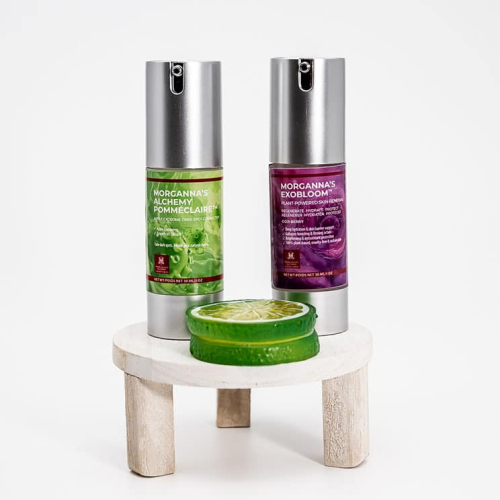
$160.00 — or subscribe and save 15%

$55.00 — or subscribe and save 15%

$200.00 — or subscribe and save 15%
$39.99 — or subscribe and save 15%

$55.00 — or subscribe and save 15%
© Copyright 2025 | All Rights Reserved | Morganna’s Alchemy Laboratories | Privacy Policy


